
How to Care for a Senior Dog or Cat: 7 Easy Ways to Keep Older Pets Comfortable

Summary
Caring for an older pet doesn’t have to be complicated. These senior pet care tips will help your dog or cat stay comfortable, active, and happy throughout their golden years.
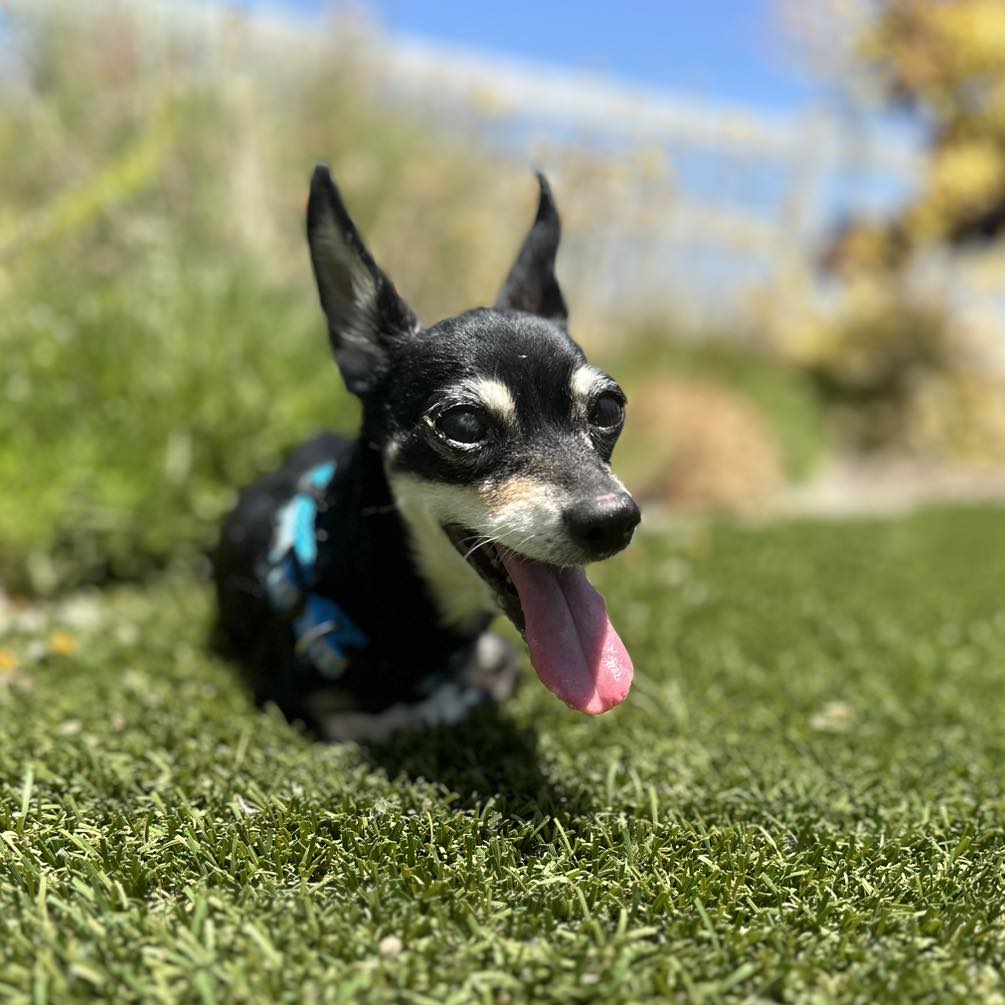
As pets get older, their needs start to change. The good news is that a few simple adjustments at home can help senior dogs and cats stay comfortable, active, and happy. Whether your pet is slowing down or you’re thinking about adopting an older companion, these senior pet care tips can help them enjoy their golden years.
Senior pets are pros at snuggling, world-class nappers, and absolute experts at stealing hearts… but they can also use a few small tweaks to help them stay comfy, happy, and healthy.
The good news is that you don’t need to completely change your routine. These senior pet care tips are simple to put into practice and can help your older dog or cat stay comfortable, active, and happy.
Senior Pet Care Tips: When Is Your Pet Considered a Senior?
Most dogs are considered seniors around 7 years old, although large and giant breeds tend to age faster than smaller dogs. Cats are generally considered seniors around 10 years old. Every pet ages differently, so it’s a good idea to talk with your veterinarian about when to adjust their diet, exercise routine, and healthcare.
Make Your Home Easier to Navigate
Non-slip rugs: Hardwood and tile floors can be slippery for older pets, especially those with arthritis or weak muscles. Adding runners or non-slip rugs in hallways and around food bowls can help prevent falls and give them more confidence as they move around the house.
Easy step-ups: Think “senior-friendly.” Pet ramps, lower litter boxes, and raised food and water bowls can make everyday activities easier while reducing strain on sore hips, knees, and backs.
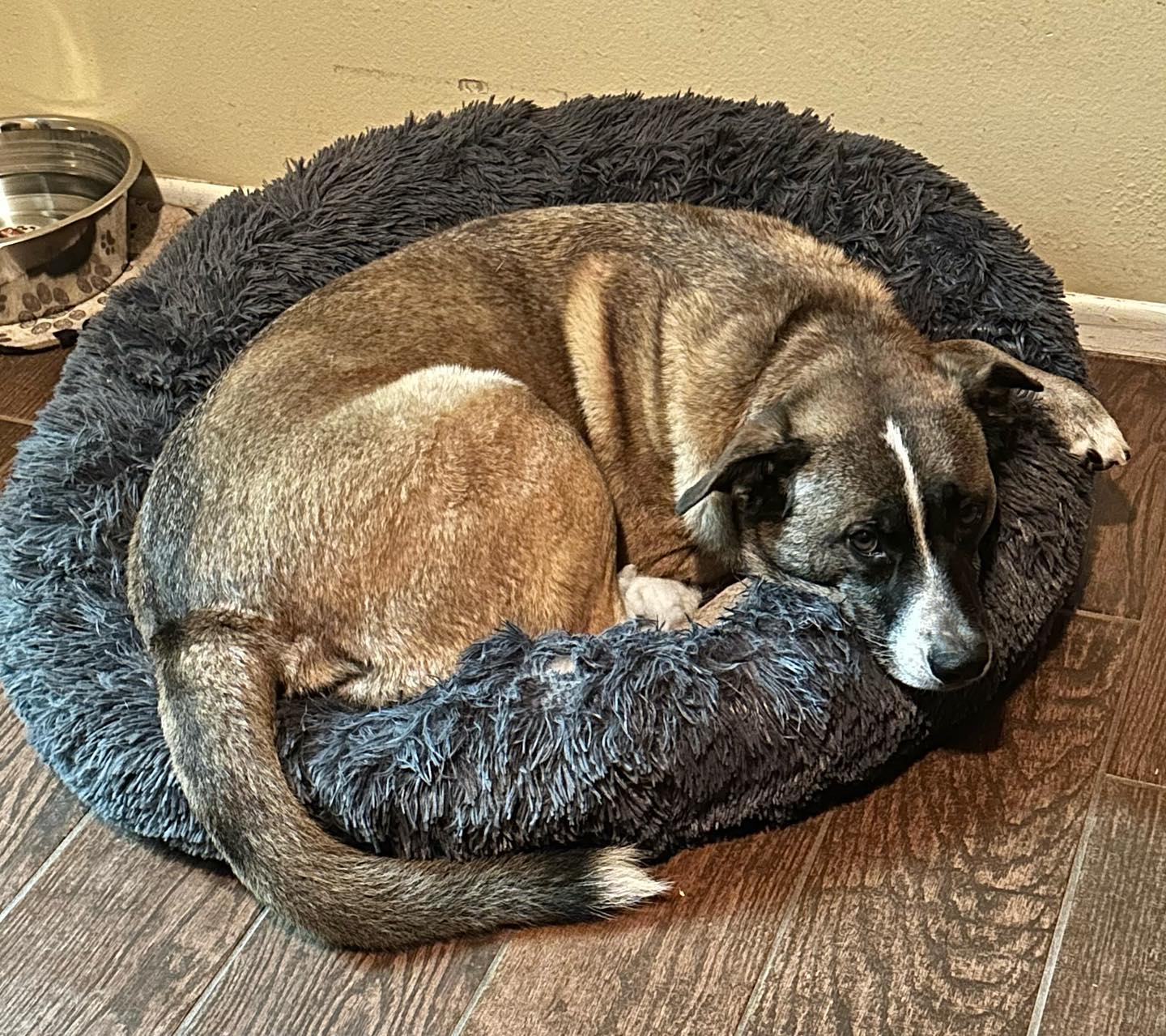
Give Your Senior Pet a Comfortable Place to RestCozy, supportive beds: Senior pets often sleep more and need extra cushioning for aging joints. An orthopedic bed, or even a heated pet bed if recommended by your veterinarian, can help them stay comfortable and wake up feeling less stiff. |
Watch for Small Changes
Pay attention to new habits: Drinking more water, eating less, sleeping differently, having trouble getting up, or suddenly avoiding stairs can all be signs that something has changed. Pets are experts at hiding pain, so even small changes are worth mentioning to your veterinarian before they become bigger problems.
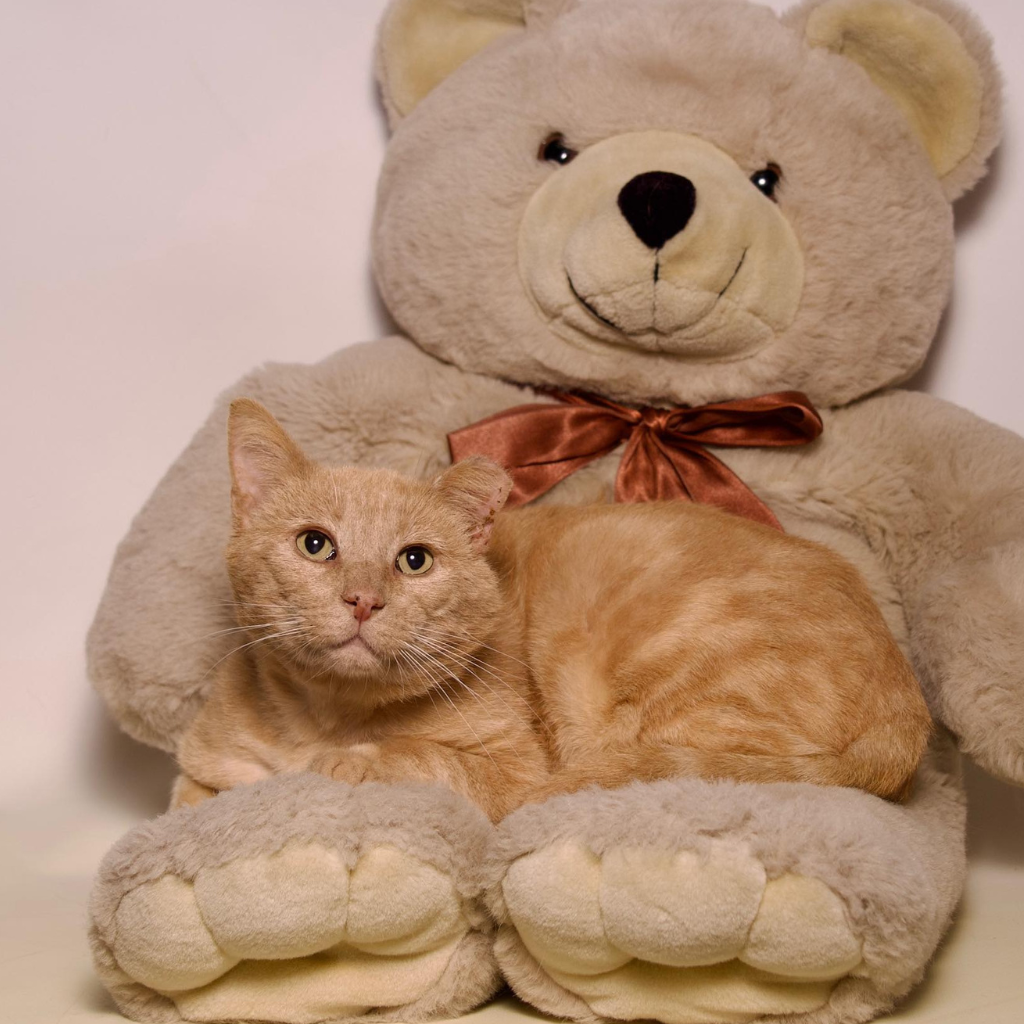
Senior Pet Care Tips: Don’t Skip Regular Checkups
As pets age, routine veterinary visits become even more important. Wellness exams can catch arthritis, dental disease, kidney problems, vision changes, and other age-related conditions early, when they’re often easier to manage. Staying ahead of these issues can help your pet enjoy more healthy, comfortable years.
Why Senior Pets Make Amazing Companions
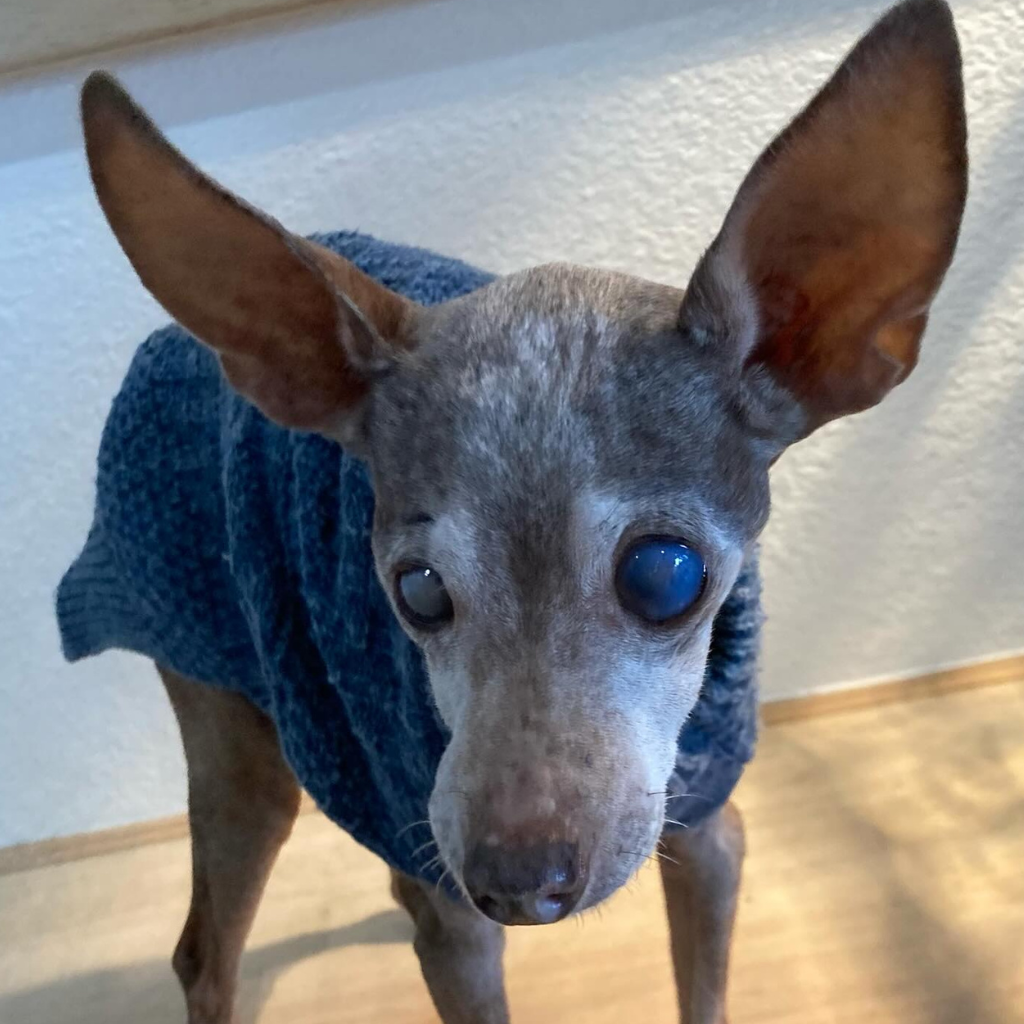
Adopting a senior pet is one of the most rewarding decisions you can make. Many older dogs and cats are already house-trained, have calmer personalities, and are simply looking for a quiet place to spend their golden years. They may have a few gray hairs, but they still have plenty of love, loyalty, and cuddles to share.
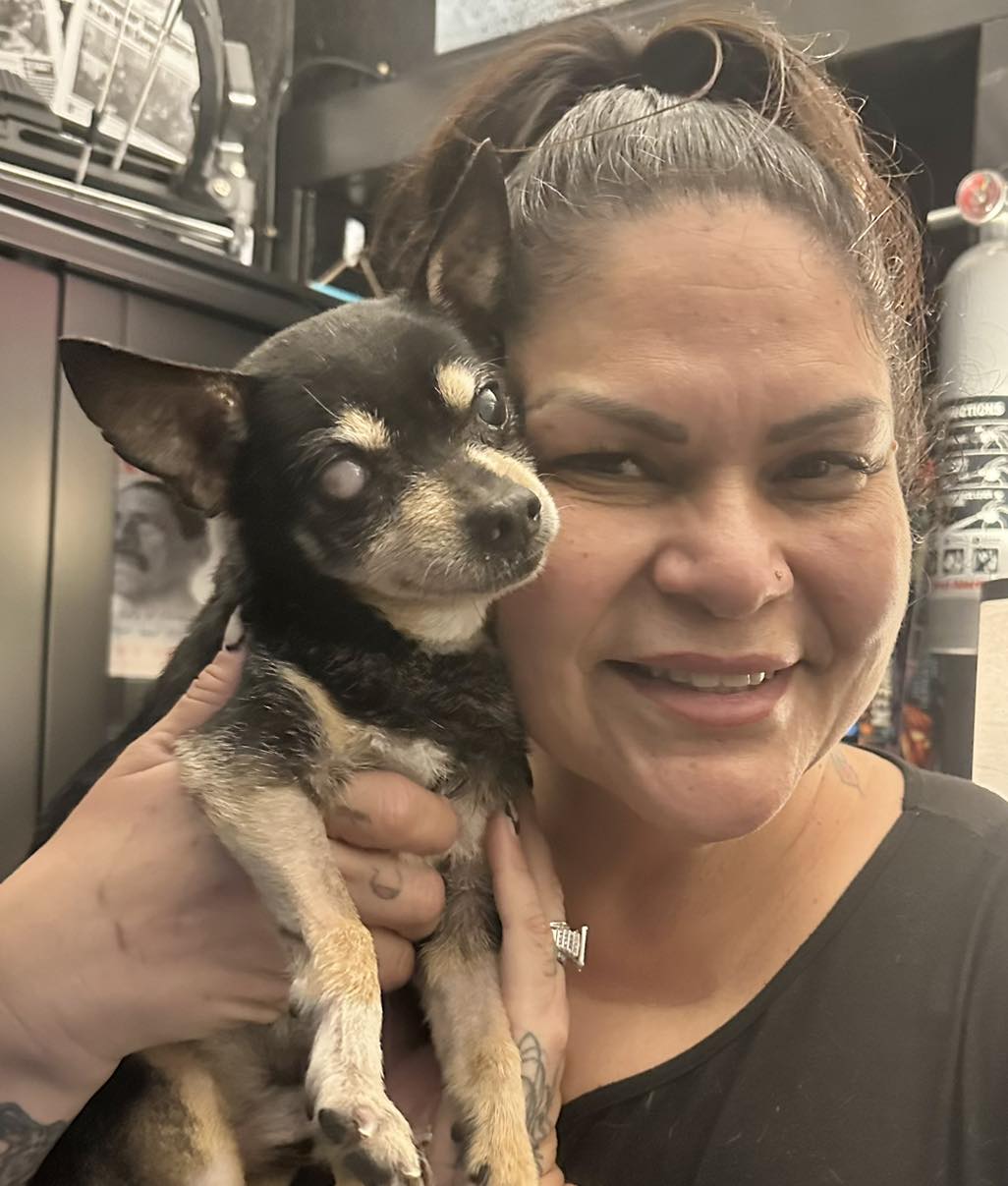
Senior Pets Still Have Plenty of Love to Give
Older pets may have a few gray hairs and move a little slower, but they still have so much love left to share. Whether you’re caring for your lifelong companion or considering adopting a senior pet, small changes can make a big difference in their comfort and quality of life.
Whether you’ve shared years with your lifelong companion or you’re considering opening your home to an older rescue, senior pets have so much love left to give. They may move a little slower, but they’ll still be right beside you every step of the way.
Ready to meet your new best friend? Browse our Adoptable Dogs and Adoptable Cats.
These senior pet care tips can help your pet enjoy a happier and more comfortable life as they age.
Frequently Asked Questions
When is a dog considered a senior?
Most dogs are considered seniors around age 7, although giant breeds often age faster and smaller breeds may not become seniors until age 9 or 10.
Do senior cats need special food?
Some do. Your veterinarian can recommend a diet based on your cat’s age, weight, and medical conditions.
Do senior cats need special food?
Some do. Your veterinarian can recommend a diet based on your cat’s age, weight, and medical conditions.
Should senior pets still exercise?
Absolutely. Gentle daily exercise helps maintain muscle strength, joint flexibility, and mental stimulation.
Are senior pets harder to adopt?
Unfortunately yes, but they often make wonderful companions because they’re calmer, already house-trained, and grateful for a loving home.
Looking for more ways to keep your pet healthy? Visit our Pet Health & Safety blog for additional tips.